Posted on

Community Keepers: From Chaos to Calm in Low-Income Schools

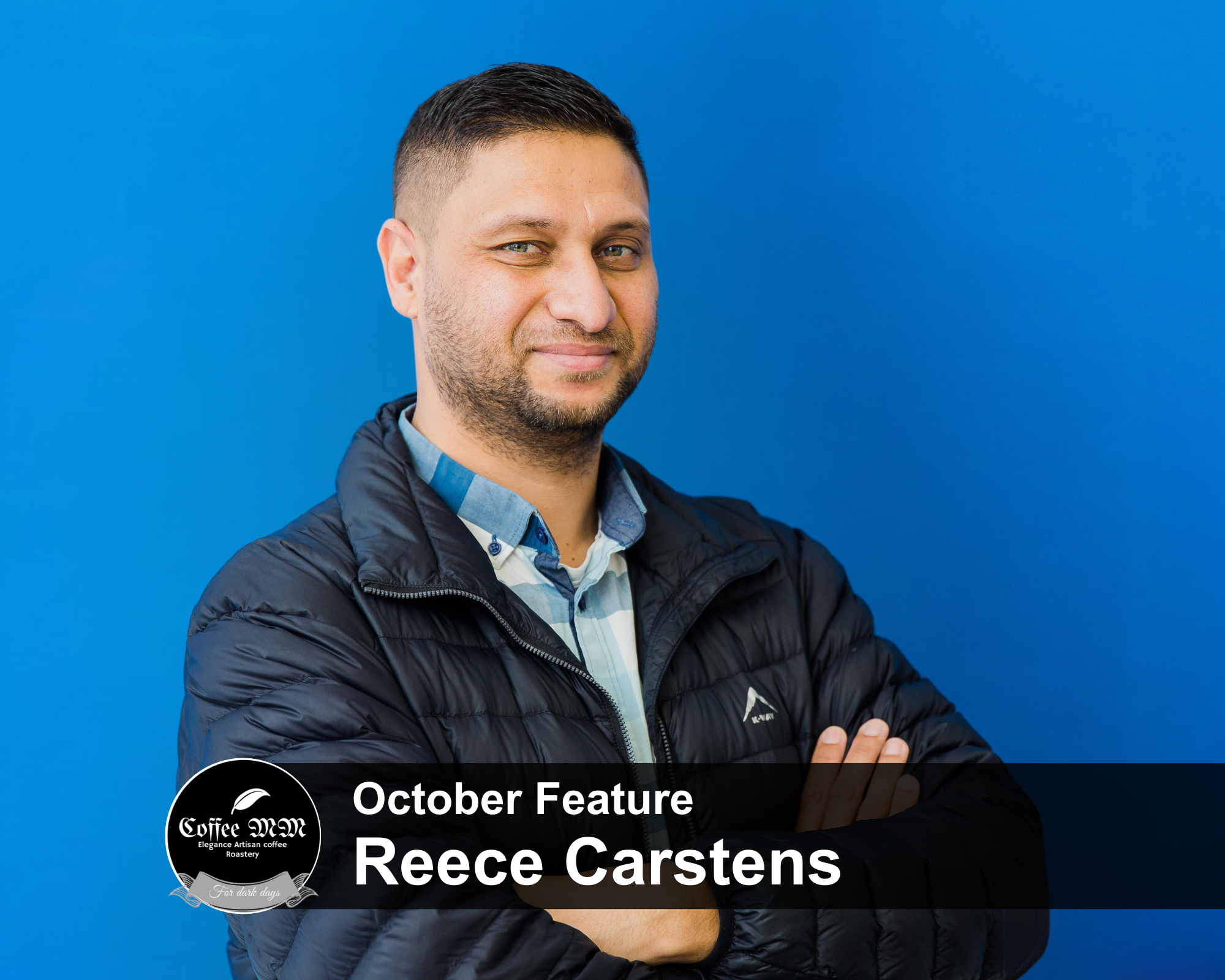
October is Mental Health Awareness Month, and for this month’s feature, we had the opportunity to meet with New Business Developer Reece Carstens from Community Keepers, an NGO that establishes psychosocial support at 89 low-income schools in South Africa by providing counselling within the schools.

Carstens started as a counsellor at Community Keepers, contributing to his holistic understanding of the services they offer and the need for them. In this month’s feature, we take a look into the service that Community Keepers offers, touch on the stigma that surrounds mental health and get some tips for managing mental health in the workplace.

More about Community Keepers

Within the school context, mental health challenges exist on different levels, from management to teachers to students, and are influenced by external factors like economic uncertainty and gang activity. Within these contexts, the students are the most vulnerable to the negative impacts of mental health, and in lower-income schools, the vulnerability is exacerbated due to a lack of resources to support the students in navigating these challenges. This can negatively impact the quality of life that a student experiences while in school and what they can achieve after school.

Community Keepers, CK for short, focuses on improving the mental health within schools by placing counsellors to provide support for students, teachers and parents at the schools with an aim to create a stable environment that combat the chaos clients face in their lives. Alongside offering support to schools, Community Keepers also practices support within their organisation, emphasising the need to look after the well-being of their employees to ensure the sustainability and quality of their offerings.

An example, and a big shift in the structure of their services, would be the recent establishment of Mental Health First Aid (MHFA) at schools.

Building Resilience: Responding to a Growing and Changing Need

Since its establishment in 2009, CK has undergone a shift in their structure to respond to a growing need for mental health support through incorporating MHFA training for Care Facilitator positions. The Care Facilitators act as the first point of contact for clients, offering support and assessing whether meeting with a counsellor is necessary, which has allowed CK to increase the reach of their mental health support, while the counsellors can go deeper with the clients that require it.

What started as a way to build capacity for counsellors at school through admin positions soon turned into a program to train previously unemployed members of the community to become Care Facilitators. The MFHA has tuned the local communities in which CK operates into a pool of resources, inspired by Professor Vikram Patel’s Global Mental Health Peer Network and the Friendship Bench in Zimbabwe.

Additionally, the MFHA also holds the opportunity to impact communities as a whole. For the position, multiple candidates go through training due to the benefits that it holds, even if it does not result in employment. This can be attributed to the training curriculum covering topics of Trauma and Adversity, Containment Strategies, Understanding Boundaries, Listening Skills and Protocol for Referral Pathways, thereby equipping candidates with the skills to better navigate their personal lives.

Going Beyond: Breaking the Stigma

In many communities and cultures in South Africa, mental health and the related challenges still hold a stigma and the receptivity to the service differs across different contexts. Furthermore, Community Keepers may also face resistance from clients as they feel that the counsellors or Care Facilitators cannot relate to their situation. However, Carstens iterates that while situations may differ, often the emotions underlying them – which are those of despair, loneliness or wanting to give up – are universal and can be used as reference points to dissipate the stigma in both cases.

Tips for Mental Health in the Workplace

With the 2024 Mental Health Awareness Month theme being Mental Health in the Workplace, we asked Carstens to share some tips on how workplaces can work towards a culture that supports mental health. These tips include:

  • Show appreciation
  • Create time to go out in nature
  • Create atmospheres of care for one another
  • Monitor isolation in employees and colleagues and if you see them isolating, reach out
  • Organise active activities
  • Learn to say, and accept, no and prioritise well-being without guilt

Conclusion:

Community Keepers is addressing the mental health crisis in South Africa by establishing psychosocial support at low-income schools, intending to expand their reach to 100 schools by 2025. Their business model shows dedication to serving the students and the school, emphasising the need to look after mental health workers and acknowledging the need to be innovative with solutions by involving the community. Through this initiative, CK can effect change over the broader South African landscape and inspire us with the holistic nature of the offering.

Rapid fire:

Carstens’ quote for dark days:
I just know it is going to be okay, because of my faith.

Carstens’ advice for someone working, or wanting to work, in the mental health industry:
Be prepared to work on yourself first. Anybody who wants to go into the field must be prepared to go on the journey themselves. Lastly, find one reason that is going to keep your passion [alive], why you do what you do to prevent burnout or getting numb.


For more information on Community Keepers, visit here:
Website: https://communitykeepers.org/
Facebook: https://www.facebook.com/communitykeepers.org/
Instagram: https://www.instagram.com/communitykeepers/
LinkedIn: https://www.linkedin.com/in/community-keepers-npc-9565ba181/%20

Posted on

Shaun Maswanganyi: The Mindset of a Medallist

Picture of Shaun Maswanganyi

In September we celebrate Heritage Day and the rich cultures of our nation. A celebration cannot be held without remembering the intricacies that weaved South Africa as we know it today and acknowledging the reality of our country in 2024. South Africa is a country of hardships and hopes with a magnetic attraction to that which inspires and motivates.

For the CoffeeMM September Entrepreneur of the Month, we are celebrating Shaun Maswanganyi. At just 23, Maswanganyi holds the title of Olympian for his stellar performance on the track, having most recently competed for South Africa in the Paris Olympics. However, his journey reflects the complexities of the journey of an athlete. In this edition, we share the story behind the success as we pass the baton from the track to relay the story that led to the achievements.

The Spark that Ignited His Passion

Maswanganyi started athletics in grade three and while he participated in many sports, ranging from basketball to rugby and soccer, he always knew that speed was his exceptional trait. However, it wasn’t until he came second in an inter-high race that his competitiveness was irked and he decided to focus on athletics. He claims, “I couldn’t live with the knowledge of knowing someone who is around my age who is faster.”

"I couldn't live with the knowledge of knowing someone who is around my age group who is faster." Quote from Shaun Maswanganyi

Working with his high school athletics coach, Yaw Fosu-Amoah, he set off on the relentless pursuit of being the best and found himself reaching goal after goal. However, the life of an athlete is not nucleated to the track and many factors influence the journey to the podium. Ultimately, the life of an athlete also boils down to the life that surrounds it.

Balancing the Person and the Performance

There is a bigger picture involved in being an athlete and it is important to nurture both the person and the performance. When reflecting on what keeps him motivated in his pursuit, he explains how the perseverance and resilience of his family drive him. Family is important to Maswanganyi, and he honours the selfless sacrifices of his grandparents, parents and late brother towards helping him actualize his dreams.

Much like his achievements are a reflection of the life story behind him, it is also a representation of his day-to-day life. Maswanganyi is grounded in the values that raised him – discipline, consistency, perseverance and resilience – and strives to see everything in the context of the bigger picture, traversing both internal and external landscapes.

"The only limit you have is your mind and once you push through that, anything you do you can succeed in." Quote from Shaun Maswanganyi


While his mindset plays a crucial role in overcoming pre-race nerves and setting goals, he also recognizes the importance of external influences. Understanding his physical limitations and the impact of mental exertion on recovery are key elements of his approach. By balancing training intensity with rest and mindfulness, Maswanganyi creates an optimal environment for both physical and mental performance.

Leading by Example: Maswanganyi’s Role in South African Athletics

Growing up in a township, Maswanganyi lacked the athletic role models he yearned for. This experience has fuelled his commitment to inspiring and motivating South African youth. By paving the way for others to pursue their dreams, he stands out as a beacon of hope to young athletes that they can achieve anything they set their minds to.

Additionally, as a member of the South African team, Maswanganyi understands the importance of teamwork and playing your part. While he has strong leadership qualities, he acknowledges the importance of leaders also knowing when to follow, like in the recent Paris Olympics with Akani Simbine being the national relay team’s leader. This humility and camaraderie are essential components of his journey to success and a great example for the rest of South Africa.

Conclusion

Beyond the medals and accolades, Maswanganyi’s legacy portrays his values of discipline, consistency, perseverance and resilience – and is an inspiration to our nation and its youth. His story reminds us of the power of individual hard work balanced by the honouring of where we come from, the power of pushing ourselves to be our best while acknowledging the importance of rest to achieve it.

His journey serves as a reminder that with dedication, determination and a positive mindset, anything is possible and any dream is worth striving for. We are grateful to Maswanganyi for taking the time to meet with us and share his inspiring story so that we too can share it with you this Heritage Month.

Rapid Fire:

Maswanganyi’s Quote for Dark Days:
“The greatest form of control is a prison without bars because people will sit there forever because they don’t think they are in a prison cell.”

Maswanganyi’s Advice for Aspiring Athletes:
“Keep doing what you do, eventually somewhere somehow someone is going to recognize your talent and recognize your hard work.”

Maswanganyi stresses that all things come in perfect timing. He explains how others can see a vision for you that you do not see for yourself and that you must open your vision and mind towards everything you do. He finishes, “Commit fully, give it your all and the right people will come along and be willing to help you.”

Posted on

Lindelwa Mahlalela: Enabling Positive Change Through Education

Photo of the August Entrepreneur of the Month, Lindelwa Mahlalela

In a world where access to education can shape destinies, support for gaining these opportunities is important. However, for many young people barriers within the application process can lead to them choosing the wrong courses or not applying at all, perpetuating the generational curse of not pursuing higher education.

Inspired by this pressing challenge that young people face, and after facing it herself, Lindelwa Mahlalela set off in a relentless pursuit to simplify the pursuit of tertiary education with the creation of LeeConnect. In August we celebrated Women’s Day and the role that women have played in shaping our country and, in this feature, we demonstrate the continuing power of young female entrepreneurs to change our world. 

The Power of Education as a Catalyst for Change

When asked why education is so important, Lindelwa explains that it is an investment in oneself and that, “no one can take it away from you.” Lindelwa’s love for education started at a young age, with its importance being emphasised in her household. This developed into Lindelwa’s belief in education’s ability to catalyse positive change, a statement that can be proven through observing LeeConnect’s impact.

Quote from Lindelwa Mahlalela that reads, "“When you are educated, you can change all the frustrations you see happening around the world, because you will be well informed about what you can do and how you can try and help. Then, every difference that you make is big.”

The impact of LeeConnect is evident, not only in the students they work with directly but also in the communities of these students. There have been multiple LeeConnect users who are the first in their families to pursue tertiary education or get a matric certificate, which, in turn, inspires the members of their households and communities to pursue higher education.

A Holistic Solution: Creating a Network of Support

For Lindelwa, the hard work is worth it when she sees the impact that LeeConnect has. Since its creation in 2018, LeeConnect has assisted more than 13,700 students in South Africa with their university applications. Additionally, LeeConnect is currently developing an app that will build on its current offerings and exponentially increase the reach of those who can use the service, while also looking planning to expand operations to other African countries.

An unexpected outcome of LeeConnect has been the supportive network formed amongst its users, where they have witnessed older students stepping into mentorship roles for younger students. The often overwhelming and isolating experience of applying for tertiary education and not having someone in your community to assist you is being transformed into an opportunity for students to connect and collaborate, creating communities of change agents.

This essence of collaboration and working together is important to Lindelwa and, when reflecting on her experience as a young female entrepreneur, she encourages other entrepreneurs to focus on collaborating rather than competing. “When working together, there are opportunities to learn from each other,” she says.

Balancing Passion and Purpose

The concept of LeeConnect is very time-intensive and until recently was run by Lindelwa alone. Lindelwa’s dedication to providing accurate advice involves countless hours of research into universities and programme outlines, balanced on top of working and studying full time – showing that if you want to do it, nothing can stand in your way.

Quote from Lindelwa Mahlalela that reads, "No on can do it like me and that's my superpower."

This does not mean that it doesn’t get tough and exhausting, and Lindelwa emphasises the importance of maintaining her mental state by setting boundaries with clients and sustaining a positive outlook on life, which she does through instilling self-belief with positive affirmations and recharging through journaling and hiking.

In Honour of Her Mother

Photo of Lindelwa and her mother.
Picture of Lindelwa and her mother.

Lindelwa dedicates the following message to her mother who supported her entrepreneurial journey:

“As we celebrate Women’s Month, I want to take a moment to express my deepest gratitude and admiration for everything she does. Her unwavering support and guidance have been the driving force behind my business ventures. Her encouragement, wisdom, and unconditional love have helped me navigate every challenge and celebrate every success.

She is the epitome of strength, resilience, and determination. Her influence has shaped me into the person I am today, and I couldn’t be more thankful.”

Conclusion

LeeConnect is more than just an online platform; it’s a place for dreams to be nurtured, aspirations ignited and futures shaped. Lindelwa’s journey is a testament to the power of perseverance, dedication and belief in oneself and, as LeeConnect continues to grow and expand, her legacy will undoubtedly inspire countless others to pursue their dreams and make a difference in the world.

Rapid Fire:

Lindelwa’s Quote for Dark Days:

“I believe in the sun, even when it is not shining” My heart holds onto hope, even when the sun hides behind clouds. I embrace the promise of love, even in solitude. And I stay devoted to education and furthering my studies, despite the struggles and financial burdens that accompany it.

Lindelwa’s Advice for Aspiring Entrepreneurs:

Start where you are with what you have and everything else will just fall into place. If you wait until you have all of the resources, you won’t have any experience and it won’t align. Don’t be afraid to fail. It’s not the end of the world, and in many cases, it’s the beginning of a new opportunity.

Lindelwa’s Favourite Hot Drink:

Hot chocolate with lots of marshmallows.


Follow Lindelwa’s Journey:

Instagram Icon

Facebook IconPhoto of Lindelwa and her mother.

Follow LeeConnect:

Instagram Icon

Facebook Icon

Posted on

Beyond the Brew: The Story of Shalom Chikanya, Barista Battle Season Two Champion

The Barista Battle is a celebration of skill, but sometimes, the stories behind the competitors are even more inspiring. Shalom Chikanya, champion of the CoffeeMM Academy Barista Battle Season Two: Local Love isn’t just a master of coffee skills. His journey is a testament to the transformative power of passion, community and the unexpected places where we discover our purpose.

Coffee: A Path to Purpose

A period of unemployment led him to an unexpected discovery: coffee. Coffee training, initially undertaken for practical reasons, blossomed into a full-fledged love affair. This wasn’t just about mastering brewing techniques; it was about discovering a creative outlet that resonated with his soul. Coffee, alongside his existing passion for music, became a way to express himself and constantly strive for excellence.

Creating Community through Coffee

In coffee, Shalom found a vibrant community. Initially, he describes experiencing a “care-syndrome” in the barista network, referring to the unwavering support that he received from fellow baristas. This sense of community extends to his current workplace, Republique, a local coffee shop in Stellenbosch. There, he thrives in a motivating environment nurtured by Republique’s overseer, Mandi Hart.

But the secret ingredient in this recipe for success goes beyond just receiving encouragement. It’s about the openness to share dreams and aspirations. Shalom emphasizes the importance of expressing your goals to those around you. He’s a testament to the fact that by being open to support, opportunities often have a way of appearing.

Gifts We Discover: A Philosophy for Passion

Shalom’s definition of talent is refreshing and disarmingly simple. He believes gifts aren’t preordained abilities we possess,but rather the things we can do tirelessly, the pursuits that never feel like a chore. This philosophy is evident in his approach to both coffee and music. Neither feels like work, but an extension of himself. Through these passions, he connects with others, adding his own unique blend of artistry and purpose to their lives.

Quote that reads, "Something that you do and never get tired of doing it, that's your gift." - Shalom Chikanya

From Coffee Magic to Music


Coffee, in Shalom’s hands, goes beyond technical skill. It’s about the magic that happens between barista and customer, the shared experience over a steaming cup. He finds the same joy in creating a perfect latte as he does in sharing his music with the world. Both are forms of expression, reflecting emotions and creating a deeper connection. His upcoming LP promises to be a unique brew, offering a glimpse into his world beyond being a barista, the symphony of emotions that play out behind the coffee machine.

Inspiration Brewing

Shalom’s story is more than a competition win; it’s a cup overflowing with inspiration. Coffee ignited his passion and fostered a supportive community when he needed it. As he continues to perfect his craft and share his music, his journey is only just beginning.

Inspired by Shalom Chikanya’s dedication to continuous self-improvement, we are excited to see what comes next. His story reminds us that purpose can be found in unexpected places, and that passion, when shared, has the power to create something truly beautiful.

Rapid fire

Shalom’s Favourite Coffee: Pour-over V60, available at Republique

Shalom’s Quote for Dark Days: Ecclesiastes 3:1 “For everything there is a season and a time for every matter under heaven”

Advice for aspiring baristas: “Never quit and always push through to better yourself. Don’t limit yourself, research more about the things you do and the things you want to do.”

Follow Shalom’s Journey here:

Instagram Icon


Facebook Icon

Posted on

The Quest for Coffee Perfection: Judges Prepare to Witness the Barista Battle

Image of latte art and a wild card.

The smell of freshly brewed coffee and the sound of grinding coffee beans are about to take center stage at the much anticipated “Barista Battle” Season 2: Local Love! This prestigious event, hosted by CoffeeMM at the CoCreate Hub in Stellenbosch, will see select local baristas put their coffee skills to the test in three categories.  

The birth of a tradition: The inaugural Barista Battle

It all began on December 15th, 2023. The region’s finest ten baristas and coffee enthusiasts from across South Africa came together to battle for the trophies in the three categories at the very first Barista Battle event in Stellenbosch. The stakes were high: the winners walked away with a prestigious title, a trophy, some amazing prizes, and most importantly – new friends in the local coffee community.  The competition tested both coffee knowledge and technical skills, with the crowd ultimately deciding the winner of the best latte art.  This year, we’ve added a new Wildcard category where three baristas from the audience stands a chance to showcase their free pouring latte art skills.

Season Two: Local love brews strong

Rico Thomas QuoteFor our  Season 2: Local Love” 2024 Barista Battle this year, we’ve invited last year’s champion and seasoned barista, Rodney Christopher Swartz, to join the panel as a judge. He’ll be joined by Romero Meyer, semi-finalist in the SA Championships,  a multi-cafe owner and co-founder of BrewBetter, as well as Alhenrico Thomas, a three-time Western Cape Regional Latte Art Champion and a two-time National Latte Art Champion, a barista skills trainer at the Famous Brands Coffee Company and owner of Champs Musical Coffee Shop Production, on their quest to crown the next coffee champions.

To get an insider’s perspective on what makes a champion barista and trends in the coffee universe, we sat down with these coffee connoisseurs.  Here’s what they had to say when asked “What makes a good barista?”:

What makes a good barista?

Our three coffee connoisseurs all agreed that while technical skills are important when brewing a cappuccino, what really differentiates a great barista from an average one is constantly striving for excellence, coupled with a deep passion for the craft, and fostering genuine connections with customers.Quote by Rodney Swartz

“…after getting to train and work with many baristas, I have found that those who walk in humility, have passion for the industry/learning and care for people make by far the best baristas!” shared Romero Meyer, a well respected coffee professional.  Rico, another esteemed barista trainer with multiple years of experience in training baristas agree on the importance of the soft skills and emphasizes the importance of “…attitude, passion, and the willingness to get to know your customers and their favourite beverages…”  

Ultimately, people skills are as important – if not more important –  than technical skills when it comes to mastering the art of brewing a great cup of coffee.  Coffee is, after all, much more than a hot drink.  It is a universal language, an invitation for connection. As Rico, a barista trainer for over a decade, puts it, coffee has become a culture, a “...daily prescribed drug.“

Technical skills, however, is a crucial part of the coffee experience.  “Good baristas always strive to be efficient in everything they do and stay consistent.” says Rodney, a seasoned barista loved and experienced in the front-line of serving customers.

From cup to culture

When asked about coffee trends and the evolution of the local coffee industry, Rico adds that coffee is no longer merely just another hot drink.  It has become a culture.   This cultural shift can be seen in the rise of specialty coffee, notes Rodney. “More people are understanding and appreciating specialty coffee, leading to greater support for the industry.” explains Romero. He shares his hope for the future: “I’m excited to see the day where being a barista can be a sustainable and good long-term career choice. We still have a long way to go.”  The growing appreciation for coffee is a step in the right direction.

What do you love most about coffee?

We’ve delved into the ingredients of what make a great barista, highlighting the importance of efficiency, caring about the customers, and a deep passion for the craft. But what ignites that passion in the first place?  To uncover the drive behind their love of coffee, we asked our judges what their favorite thing about coffee is.Quote by Romero Meyer

All our judges unanimously agree that there’s something undeniably magical about coffee.  It’s far more than just a beverage; it’s a ritual, an experience, and a tool for connection.  Rico  observes that coffee “… causes magic to happen when you consume it.” while Romero loves the fact that it brings people together.   “When we were still running a cafe, it was always so amazing seeing the new friendships that formed across multiple races, cultures and careers.. all over a great coffee!”

Rodney simply loves that it’s a drink for any occasion and a tried and tested energy booster, there for you whenever you need it.

Bean to belonging

Our coffee experts have spilled the beans on what makes a great barista and how the industry is evolving.  They highlighted the transformation of coffee from a simple drink into a vibrant culture that connects people across the globe. Join us in this movement and be part of creating meaningful connections through coffee.

Posted on

The Barista Battle is Brewing! We Spill the Beans on What Makes a Champion Barista

Image of two people battling for the best barista trophy

Are you a barista who lives and breathes creating exceptional coffee experiences? Do you dream of showcasing your skills and creativity on a local, national, or even global stage? Buckle up, because the upcoming Barista Battle is brewing up a storm!

This premier competition is the ultimate playground for baristas to demonstrate their expertise, creativity, and dedication to their craft. Whether you’re a seasoned professional or an up-and-coming talent, this is an opportunity to take your skills to the next level and make your mark in the coffee industry.

This month, we peeked behind the counter to chat with our barista brew crew at CoffeeMM. We wanted to spill the beans (pun intended!) on what makes a great cup-of-cino in preparation for the upcoming Barista Battle event. We went local and chatted with our own CoffeeMM baristas  – Austain, Clarence, and Dorothy – about the secret behind the perfect cup and got some insider tips to tie into the theme of our Season 2 Barista Battle: Local Love! Stay tuned for some serious coffee wisdom coming your way…

More Than Just Beans: What Makes a Great Barista?

At CoffeeMM, we take pride in our welcoming atmosphere, our skilled baristas, and of course, our quality coffee beans. But what exactly makes a champion barista and turn a good coffee shop into a local favourite?

Introducing CoffeeMM's Barista ClarenceOur baristas believe that a winning coffee shop is a symphony of several elements.  Clarence, one of our baristas, highlights the importance of soft skills: “While technical skills can always be practiced and improved upon, it’s the social skills and your ability to handle pressure when there is a rush that differentiates a good barista from an average one.  How you respond to challenges is very important.”

His top tip for dealing with difficult customers is to always remain calm with the goal of diffusing the situation.  Listen carefully to try to understand their point of view and look for common ground.

All the CoffeeMM baristas agree that the quality of the coffee beans and the technical skills of brewing the perfect cup are important, but what is even more important is to always provide customer service with a smile.  “This means being a good listener, having a keen eye for detail, and anticipating each customer’s preferences.” says barista Austain.

Dorothy – arguably the best hugger in the world – adds onto this that you should always be kind.  “Everyone has problems, leave yours at home and just choose to be happy.  Life goes on!”.  She emphasises the importance of always giving the best possible service, regardless of how difficult a customer is, which is the most challenging part of being a barista for her.


The Multifaceted Challenges of Barista Life

Image of CoffeeMM's barista Dorothy - the best hugger in the worldWhile Dorothy emphasises the emotional labour of exceptional service, Austain reminds us that mastering the craft itself wasn’t a walk in the park. For him, achieving latte art perfection, a skill crucial for creating those customer-pleasing beverages, proved to be the most challenging part of his journey to becoming a barista.

While brewing the perfect cup quickly became second nature for Austain, mastering latte art presented a steeper learning curve at first.  Getting the milk texture exactly right is truly an art, and one of the reasons why the Barista Battle includes this as one of the winning categories.

Clarence, on the other hand, finds the slower periods of the year the most challenging part of being a barista.  He truly enjoys the rush of people queuing for their morning cup and thrives under pressure, saying “A true barista craves a busy rush.”

So, how does he manage the mayhem as the only person in the coffee shop? Multitasking comes naturally to him, but he also employs a strategic approach by brewing all the coffee first, followed by batch-frothing the milk. This streamlined process significantly boosts his efficiency during peak times.

More Than Just a Job: Brewing Happiness in Every Cup

Image of barista AustainFor all of our baristas, the most rewarding part is connecting with people. Austain loves interacting with so many different cultures and more specifically being able to introduce people to the culture of coffee, which he sees as a universal language rather than simply a hot drink.

His top tip for keeping customers happy: “Pay attention to your customers’ facial expressions, and when you notice any sign of frustration, start a friendly conversation.” Most importantly, though, is never to judge or assume you know what a customer thinks or wants.  Stay humble and aim to understand.

Clarence, who agrees with this sentiment,  also finds immense satisfaction in the entire process of crafting the perfect cup, from grinding the beans to the beautiful latte art.  He finds it greatly satisfying to see the smile on the customer’s face when they see the latte art, knowing he is a big part in so many people’s morning ritual.

Dorothy’s biggest challenge – dealing with difficult customers – is also what gives her the most satisfaction in her job as a barista.  By always putting on a smile and being kind even when customers are difficult, she has managed to turn the most difficult customer into her biggest friend.  Talking to people and comforting them when they are feeling down is a highlight in Dorothy’s work life as a barista.

What’s your top tip to master latte art?

As mentioned, latte art is tricky to master.  While the quality of the coffee itself is essential in brewing a good cup of coffee, it’s the latte art that really differentiates an average cup of coffee from an excellent cup, says our baristas.  The latte art is what people see and, while the best latte art will not hide a burnt or bad quality coffee, the best quality coffee needs good latte art to stand out and be perceived as high quality.

Austain’s top tip to master latte art is simple: “Practice, practice, practice!”

Also, the three most important parts to take into consideration when frothing the milk to get the best texture is to firstly have the right quantity of milk – too much or too little will not give you the desired results; secondly, to have the right temperature; and finally, to froth it for the right duration.

Bonus tip!  How to pull the perfect shot of espresso

When asked what factors can affect espresso quality, this is what our prestigious baristas have to say:

Make sure that the ground size is perfect.  The weather affects the size of the coffee beans and to get the perfect cup you have to adjust the weight of the grounds per serving.  A day in the life of a barista always starts with espresso dialing, or calibrating your grinder. By manipulating the dose, time, yield, and grind size, you can align the parameters needed to pull the perfect shot of espresso with the coffee beans you’re using, says Austain.

Another factor to consider when dealing with beans is to know your type of beans and whether it is a light, medium, or dark roast, adds Clarence.  Dark roasts typically need a courser grind, while the lighter grounds are finer, requiring less beans per cup.

The next essential tip is to make sure that you apply at least 20 kg of pressure when tamping, or to press the grounds down to compact it, which allows the natural oils of the coffee beans to be released when filtering the water through.  When properly tamped, flipping the portafilter upside down shouldn’t let any grounds fall out.  Only when the grounds are adequately compressed will the coffee form the rich froth on top.

The water temperature is also important. Avoid burning the coffee beans with water that is too hot.  And finally, never leave the tamped grounds waiting!  Be present and focused and never exceed a brewing time of 30 seconds.

Think You’ve Got the Grind? Test Your Skills at the Barista Battle!

If this sounds like child’s play to you, you should definitely consider enrolling in our CoffeeMM Barista Battles where the top baristas get to showcase their skills in front of a panel of industry experts, win some fabulous prizes (including a trophy!) and a chance to network with other talented baristas and industry leaders in the world of coffee.


Posted on

Small Acts, Big Impact: Reflecting on Youth Day with There Is Life Here

Image of the ladies from There is Life Here serving food for the children of Kayamandi

Every year on June 16th, South Africa commemorates Youth Day, a national holiday honouring the Soweto Uprising of 1976. This pivotal moment in history saw brave young students taking a stand against an unequal education system. On June 16th, peaceful protests turned violent as police opened fire on unarmed students.  Twelve-year-old Hector Pieterson was among those shot and a photograph of carrying the wounded child, who later died, became a symbol of resistance against oppression.

Image of Hector Peterson
“This photo by Sam Nzima is displayed on Hector’s memorial outside the Hector Pieterson Museum in Orlando West, Soweto. Mbuyisa Makhubo is carrying the dying Hector and Hector’s sister, Antoinette, is running beside him.” Image and text obtained from https://www.flickr.com/photos/panr/2590874830

Youth Day serves as a day to remember the sacrifices made and the courage of the youth, which ignited a movement that turned their biggest challenge into an opportunity for a brighter future.

Youth Day is, however, not just a day of remembrance; it’s a call to action.  It reminds South Africans of the power young people hold to create change and how action, however small, can have immense impact.

The legacy of inequality, however, continues to cast a shadow nearly fifty years after this pivotal moment in South African history in communities like Kayamandi, a township on the outskirts of Stellenbosch. Here and in many similar rural areas across South Africa, many children face challenges that echo the frustrations of the Soweto Uprising youth: limited access to quality education, a battle with poverty and hunger, and a lack of resources to reach their full potential.

Yet, there are many rays of hope, with There Is Life Here – a non-profit and social enterprise – being one example of how a small act of kindness can turn into hope for a brighter future.

A Day in the Life: The Reality of Growing Up in Kayamandi

A typical day in Kayamandi paints a picture of some of the challenges faced by the next generation of youth growing up in rural South Africa today.  With single mothers and working parents struggling to make ends meet, unsupervised children are becoming increasingly common in townships across South Africa.

The lack of time and resources often leaves these youngsters vulnerable to exploitation by gangs. The allure of belonging and a sense of purpose provided by these gangs, however twisted, can easily lure them into a life of crime and drug abuse.

The innocence of children remains. A group of children in ragged clothes takes a poster for the upcoming national election and turn it into a makeshift sled.  Their laughter and screams of joy fill the dusty air as they pull each other down the empty road on their improvised toy.

This carefree play is in contrast to the reality faced by many youngsters here.  Across the street, a group of over fifty children wait patiently, their ages ranging from toddlers to teenagers. Each child holds an empty food container, a silent plea for a nourishing meal from the warm and loving hearts of the women who run a local non-profit that feeds these children daily.

There is Life Here: Love Through a Plate of Food

Amidst the hardship, a beacon of hope shines brightly. “There is Life Here” is committed to feeding the growing number of children in an aim to combat their struggles with poverty, peer pressure, and even abuse. There is Life Here’s core message, according to founder Emily Nomajoni Makwena, is that “there is more to life than what they are going through”.

Image of pot plant covers made from re-used plastic carrier bags.
Plastic pot plant covers made from discarded plastic carrier bags to fund There Is Life Here to feed the children of Kayamandi in an aim to combat poverty, abuse, and drug addiction.  They’re available for sale at the CoCreate Hub in central Stellenbosch.

Emily and a number of other community members have taken it upon themselves to make a difference in the life of their local community.  They support their non-profit through crocheting pot plant covers from old plastic carrier bags, which they in turn sell. The profit from this social enterprise helps feed hundreds of children, together with donations from community members and other donors.

Every day, women from the community prepare and serve a nutritious meal – pap (a South African maize staple), vegetables and gravy, and half an apple – to anyone in need of a hearty meal.

Even when the pots are empty and a handful of children still have empty food bowls, these children don’t give up hope.  They have full trust in these inspiring ladies who always make a plan.  The women go inside and reappear after a while with more food to make sure no-one leaves with an empty stomach.

It’s not just about food; it’s about offering hope. This simple act creates a lifeline, a second chance at a future free from gang violence, for these children and the next generation. It is a powerful example of how even the smallest act of practical kindness can make a significant difference.

Honouring the Spirit of Youth Day

Kayamandi’s youth is a reminder of the work that remains to be done and the importance of being the change you want to see in the world.  While Youth Day celebrates the power of young people who fought for change, the challenges faced by the youth today highlight the need for continued action. CoffeeMM is privileged and honoured to support There Is Life Here by donating the proceeds of our clothes swap event held in April 2024 to the ladies who keep feeding the children with an open heart and an open kitchen.

What can you do to make a difference?

Inspired by Youth Day’s message of action and There Is Life Here, here are some ways you can get involved and make a difference in the lives of young people:

  • Support organizations like “There is Life Here“, “Community Keepers“, and “Pebbles Project” directly. Many NGOs work tirelessly to empower youth in under-served communities. Research local organizations and donate your time, resources, or financial support.
  • Buy locally, buy mindfully. Each time you spend money, take a moment to think about where your money is going.  Local markets are good alternatives to large chains and supermarkets.  These markets support entrepreneurs, families, and ultimately create a ripple of positive change in the world. Other organisations like the CoCreate Hub in Stellenbosch stocks products from local vendors and non-profits where the money goes directly to these vendors.
  • Tell people about projects you care about. Support and share the CoffeeMM journey on social media, or like, follow, and share projects, people, and organizations that empower the youth towards a brighter future.

The legacy of the Soweto Uprising lives on in the spirit of South Africa’s youth. Let us honour their courage and pave the way for a brighter future by investing in their well-being and empowering them to reach their full potential. Similar to There is Life Here, you have the opportunity to support the youth of today to become the change makers of tomorrow. Together, we can build a more just and equitable future for all.


Posted on

Maikeleng Ledimo: Mom, Nurse, Founder, Changemaker, and Africa Month Hero

Image of our entrepreneur of the month, Maikeleng Ledimo

May is Africa Month! Established in 1963 to mark the founding of the Organisation of African Unity, Africa Month is a time to honour unity and collaboration across African nations. We sat down with Maikeleng Ledimo – entrepreneur and founder of Leruo Nursing Services and also a mother – to chat about her journey, her drive, and the advice she has for others who dream of making a difference by making Africa a better place. "It is important that you start. It’s important to be the change you want to see." - Maikeleng Ledimo

Maikeleng embodies the spirit of Africa Month with her invitation to aspiring entrepreneurs in Africa to take action and be the change they want to see in the world.  She emphasizes that successful entrepreneurs don’t wait for others to solve issues, they just start. Even though she has a day-job and is a parent to a young child, she carves out time to dedicate towards her part-time venture in pursuit of her dream of becoming the go-to person in medical emergencies and to raise a child that will make a positive impact in the world.

Finding Passion: Journey from Rural Clinic to City Success

Maikeleng’s path to nursing wasn’t entirely straightforward. Although her initial aspiration was to become a doctor, she ultimately enrolled in nursing school. Surrounded by ambitious classmates, the seed of starting her own practice was sown. In 2023 that dream became a reality with the founding of Leruo Nursing Services – offering quick, tailored health solutions at your doorstep.

When asked how she manages to balance so many hats – being a mother, founder, and entrepreneur – she emphasizes the importance of following your passion, the ability to be flexible, and trusting the process.

While her initial job at a public health care clinic in a semi-rural township left her feeling unfulfilled, now, in the heart of the bustling city, she embraces longer hours in pursuit of a more meaningful vocation.  Fueled by the ambition to be the ultimate crisis responder, Maikeleng found herself at the 2024 Forbes Under 30 Summit Africa.

Building a Stronger Africa at the Forbes Summit

Coinciding with Africa Month, the ForbesBLK Masterclass at the Forbes Summit tackled the continent’s potential and challenges for economic growth.  A network of people of color, the workshop consisted of panelists sharing their insights on how to leverage being African in business.  Here are the key takeaways from the masterclass:

Challenges Faced by African Entrepreneurs

In the masterclass, participants from a range of African countries spent time brainstorming the biggest challenges as well as strategies for success for economic growth in Africa. Amongst the biggest hurdles facing Africans today were bureaucracy and resistance to change in government, as well as restrictive laws which can act as a chokehold on African entrepreneurship.

Other common entrepreneurial challenges included young talent being overlooked and excluded due to their age, access to funding, and talented individuals leaving Africa for better opportunities elsewhere.

Strategies for Success

Despite these struggles, the masterclass offered rays of hope.  Maikeleng’s key takeaway being that success often hinges on aligning your goals with the needs of investors and governments. Whatever you do, strive for excellence and demonstrate a clear understanding of the bigger picture.

Nurses: The Backbone of the Healthcare System

The Masterclass reinforced Maikeleng’s vision for Leruo Nursing Services which extends far beyond quality patient care. Her goal isn’t just building a business, she’s building a bridge to a brighter future for Africa. She aspires to transform her venture into a powerful vehicle that tackles youth unemployment, another critical issue across Africa. “I want to employ as many people as possible,” she says.

When asked about the importance of nurses and the role they play in strengthening healthcare systems in Africa she emphasises that nurses are the backbone of the system.  Yet, nurses are often excluded from policy making, despite their deep understanding of patient needs.  While the doctors are crucial in diagnosing treatments, the nurses are equally important, yet often overlooked when it comes to decision making.  It is the nurses who best understand the practical challenges, impact, and outcomes of treatments and facilities.  Empowering the nurses is essentially strengthening the healthcare system.

Starting Strong, Failing Forward

Maikeleng’s biggest success to date? Simply starting. In a world where procrastination and fear can be crippling, her message is simple. Don’t be afraid to take that first step. Even if you fail, just “fail forward”.  Learn from your mistakes and keep moving forward.

"Don't be afraid to take that first step, even if you fail."A strong support system is also a vital part of her success. For Maikeleng, this means her husband, family, and a network of mentors who guide her on her various paths.

Maikeleng Ledimo is an inspiration to us all and a worthy African Month ambassador. She’s a shining example of how dedication and passion can empower you to achieve anything you set your mind to.  Let’s raise a cup (of African coffee, of course!) to Maikeleng and all those who are making a difference on the African continent!

Posted on

Brewing a Brighter Future: Celebrating Africa Month with Ethical Sourcing and Delicious Coffee

May is Africa Month, a time to celebrate the continent’s rich heritage, vibrant cultures, unity and of course, its incredible coffee! Here at CoffeeMM, we’re passionate about both delicious coffee and ethical sourcing practices for our coffee beans. This Africa Month, we’re combining these passions through our advocating for empowering small-scale African coffee farmers and bringing you the unique flavours that their dedication cultivates.  CoffeeMM’s  vision is to give coffee farmers more direct access to consumers with their “route to market” initiative and each bag of coffee beans sold takes us one step closer to achieving it.

A Celebration of African Flavours

Africa is the birthplace of coffee, and the continent boasts a diverse range of bean origins, each with its own distinct flavour profile. From the bright acidity and floral notes of Sidamo Abyss to the bold and vibrant Burundi Kayanza roast with an acidic kick and hazelnut aroma, every cup is an adventure for your taste buds.

CoffeeMM curates a selection of exceptional African coffees, allowing you to explore these unique flavour profiles.  Each time you enjoy one of the following unique flavour profiles you are supporting the very origins of this delicious beverage.

Sidamo Abyss

Image of Ethiopia highlandsThe history of coffee in Ethiopia, and the world in general, stretches back centuries, with legend attributing its discovery to a goat herder named Kaldi in the Keffa region, a zone in the South West of Ethiopia.  According to the legend, the goat herder discovered the stimulating effect of coffee after noticing how much more energised his herd of goats became after consuming the red berries from a specific tree.  Curious, the abbot at the local monastery made a drink with the berries and noticed how much more alert he was after consuming the drink.  And so our beloved beverage coffee, enjoyed worldwide today, was discovered.

Our Sidamo Abyss beans are ethically sourced from the ancient Ethiopian highlands, and offers a captivating balance of floral aroma and a smooth, full-bodied cup. Expect a balanced cup with moderate acidity, full body, and an African kick, perfect for an espresso brew.

Murchison Mist

Image of Uganda in AfricaAnother important producer of coffee beans in Africa is Uganda.  They are the 8th largest coffee-producing country globally and second in Africa.  The Bagada people were known to grow coffee plants in their household gardens. Coffee plants also held cultural significance for the Buganda Kingdom and was widely used for traditional ceremonies.

Most coffee production in Uganda occurs on small, family owned farms less than a hectare in size, giving it an immense potential to produce high quality, small lot specialty coffees.  The ripe coffee cherries are handpicked  which allows for greater selectivity when harvested.  This is one of the reasons why we have chosen Mt Elgon origin beans as one of CoffeeMM’s gourmet coffees.

The Ugandian Mt Elgon beans used in our Murchison Mist blend, grown in the lush highlands of Uganda, are renowned for their well-rounded and approachable flavour profile.  You can expect a smooth and inviting taste accented by a captivating hazelnut aroma, perfect for enjoying any time of day.

African Alchemy

Image of African landscapeAnother CoffeeMM favourite is our Kenyan African Alchemy beans.  Nestled on the slopes of Kenya’s majestic Mount Elgon, these beans boast a vibrant and complex profile. Expect a lively dance of sweet fruit notes, hints of earthiness and a clean, refreshing finish.

Kenya’s coffee story, surprisingly, starts about a thousand years after Ethiopia’s.  Despite sharing a border with Ethiopia, the first Bourbon coffee seeds were said to only be planted in Kenya in 1893 by French missionaries.  Substantial coffee cultivation only began in the 1950’s while under British colonial rule.  While British rule exploited local resources for profit, it also introduced methods that instilled high quality production which Kenyan coffee beans are still known for today.  In 1930 though, with the introduction of the Coffee Act, control of coffee was put back in Kenyan hands, making Kenya an important role model for empowering coffee farmers.

Burundi Kayanza

Image of BurundiAnother African neighbor and one of CoffeeMM’s premium coffee bean producers is Burundi. Our Burundi Kayanza beans are grown on the lush slopes of Burundi’s Kayanza region. The premium Arabica beans from this region boast a cupping score of 85. Expect a vibrant cup with a strong, acidic kick, balanced by a captivating hazelnut aroma.

Burundi, where coffee has been a mainstay of the economy since the 1920s, is dominated by smallholder farmers, with over 700,000 families involved.  Accounting for roughly 90% of its export earnings together with tea, coffee is the lifeblood of Burundi’s economy.  Their coffee history, however, is filled with challenges and intertwined with political instability.  Burundi’s coffee farmers face a perfect storm of challenges, according to a UNCTAD report.  Unpredictable weather patterns, aging coffee trees often more than 40 years old, declining soil quality and a lack of proper farming techniques threaten the future of this vital sector.  Despite all these challenges, they produce high quality coffee beans used in our premium Burundi Kayanza coffee beans.


Beyond Flavour: Ethical Sourcing Makes a Difference

While we celebrate the delicious flavours of African coffee, we also recognize the challenges faced by many small-scale coffee farmers. Unequal bargaining power, limited access to resources, and volatile market prices can significantly impact their livelihoods.  This is why we choose our coffee suppliers carefully, always keeping our vision of empowering small scale farmers in Africa in mind.

Brewing a Brighter Future with Coffee for Change

This Africa Month, we invite you to join us in our creating a more intentional relationship with your daily brew. By choosing to support CoffeeMM, you are actively taking us closer to our vision of empowering small-scale coffee farmers. CoffeeMM’s “route to market” initiative aims to address the challenges that coffee farmers face giving them more direct access to consumers are more power within the distribution channel.

Here’s how you can participate:

  • Explore our African coffee selection: Discover the unique flavours and origins we offer.
  • Contemplate your cup: Before you take your first sip, take a moment to reflect on the journey from green coffee bean to cup, and the different relationships that exist at each level.
  • Spread the word: Share your love for African coffee and ethical sourcing with your friends and family.

Together, we can brew a brighter future for African coffee farmers, one cup at a time.

Celebrate Africa Month with CoffeeMM!

Posted on

How to find Work-Life Harmony in the face of a pandemic

The month of January 2021 marks ten months since the announcement of lockdown in South Africa.
We have developed terms such as “new normal” however most people agree that adapting to this change has been very difficult. In this blog post I will write about finding work-life balance while facing pandemic.

Be Appreciative
Make a list of things that you are grateful for. This has to be done daily.
It is easy to skip this process as we are constantly bombarded by negativity whether through media, at work or within our families. But according to Neuroscience what wires together stays together. Hence our reality is shaped by what we constantly feed our minds.
So make your gratitude journal your friend. The best time to do this is at night after a busy day. It could be the best way to alleviate the negative energy absorbed throughout the day.

Read Something
None of us living in this century knows precisely how to live and survive a pandemic.
Luckily we have books that are full of content on how to overcome hardships. Reading about others can give us the courage to endure and feel more optimistic about the future.
Read one autobiography every other day. Share what you have read with someone (each one teach one) at work or school. So that those around you are also energized to face the future one day at a time.

Grieve
By this time all of us have lost a loved one whether a colleague, a friend, or a family member. Life seems to be so overwhelming. It is easy to live your life “flexing”, trying by all means to be strong. However strength comes from being able to be vulnerable. We need to take some time off from work and get a head-space so we can properly grieve the loss of the loved ones. This is so important as it will allow us to move on properly and be productive again.

Workout daily
It is never about how many miles you can run or how many reps you can do. It is about getting your dosage of endorphins everyday. Working out not only keeps your body and mind healthy but it gives you a sense of accomplishment. It refreshes your mind and gives your life harmony in the mist of the pandemic.

DISCLAIMER
This post is based on personal experience and research. Information contained is based on opinions and personal journals of the author.

Author : Mhlengi Ngcobo